Junior Animal Habitats Badge Step-by-Step
Looking for a fun, hands-on way to help your Junior Girl Scouts earn their Animal Habitats badge? Creating an engaging badge blueprint doesn’t have to be overwhelming! From exploring wild creatures to rolling up their sleeves for a local conservation project, this step-by-step guide breaks down the badge requirements into simple, exciting activities your troop will love. Let’s dive into how you can inspire your girls to protect the natural world right in their own backyard!
Junior Animal Habitats PDF Badge Requirements
- Find out about wild animals
- Investigate an animal habitat
- Create an animal shelter
- Explore endangered habitats
- Help protect animal habitats
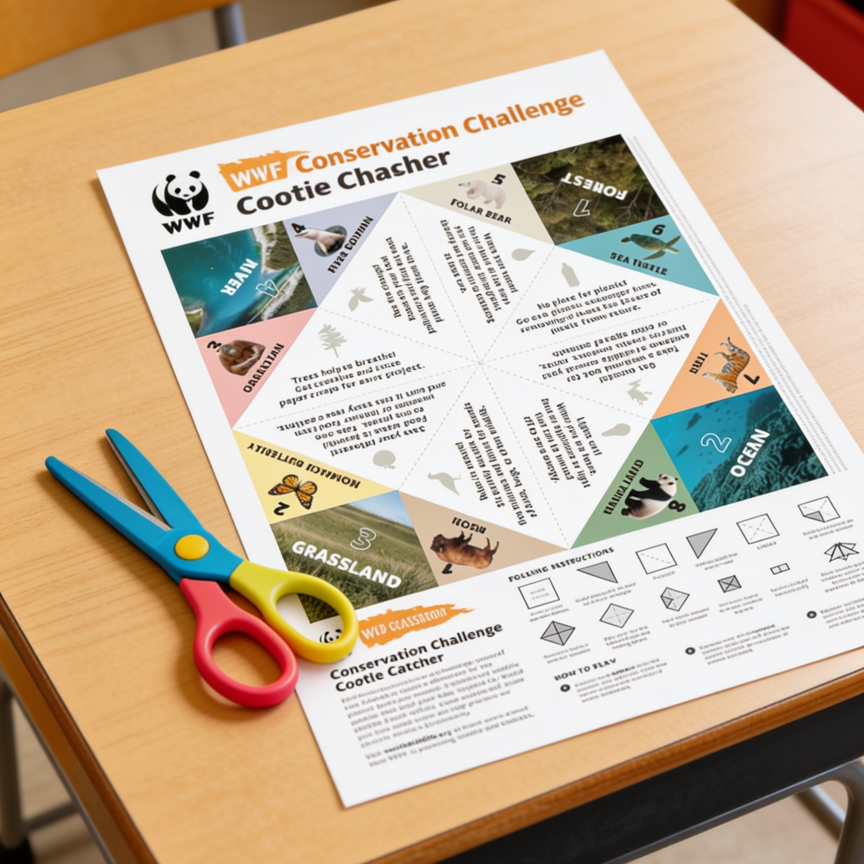

Make a Cootie Catcher
Follow the instructions to challenge yourself and friends to make a difference for the planet! Each play reveals a habitat and wildlife species that need your help.
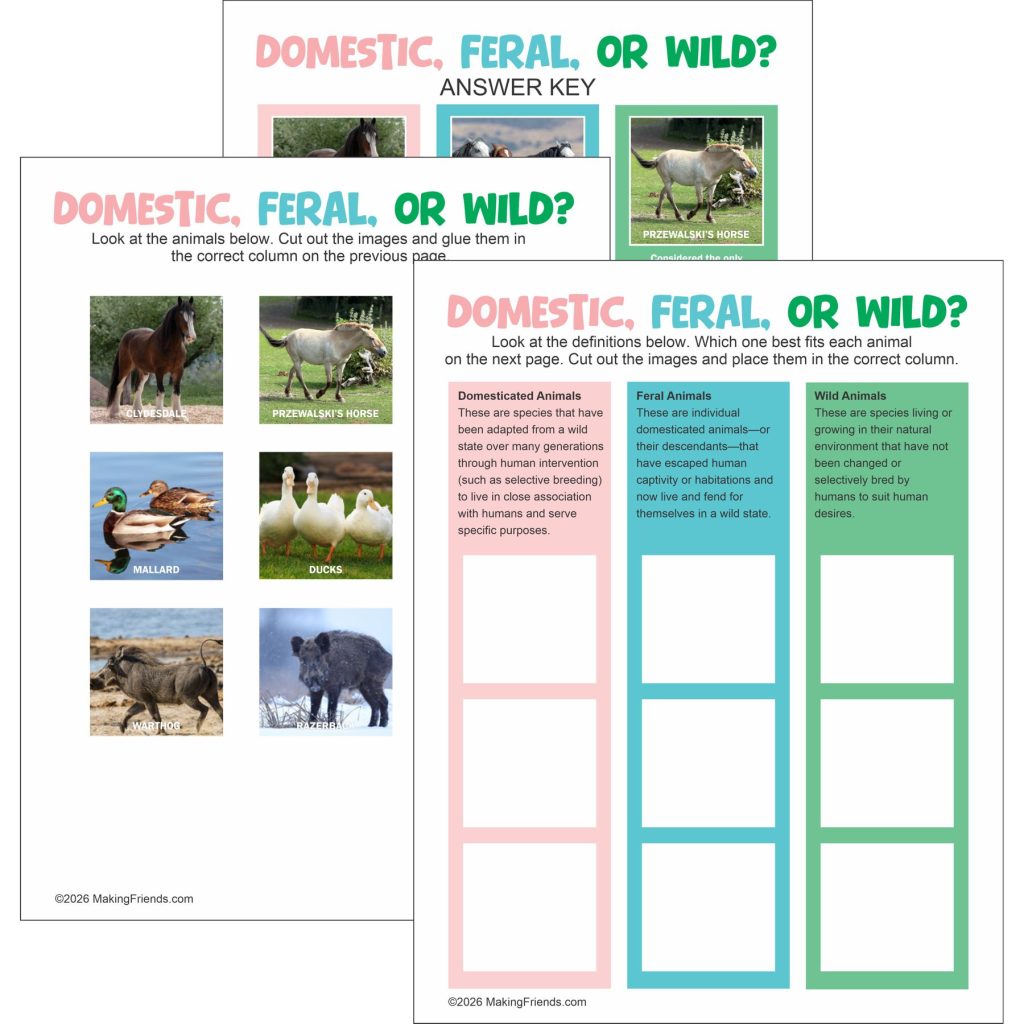
Step 1: Find out about wild animals
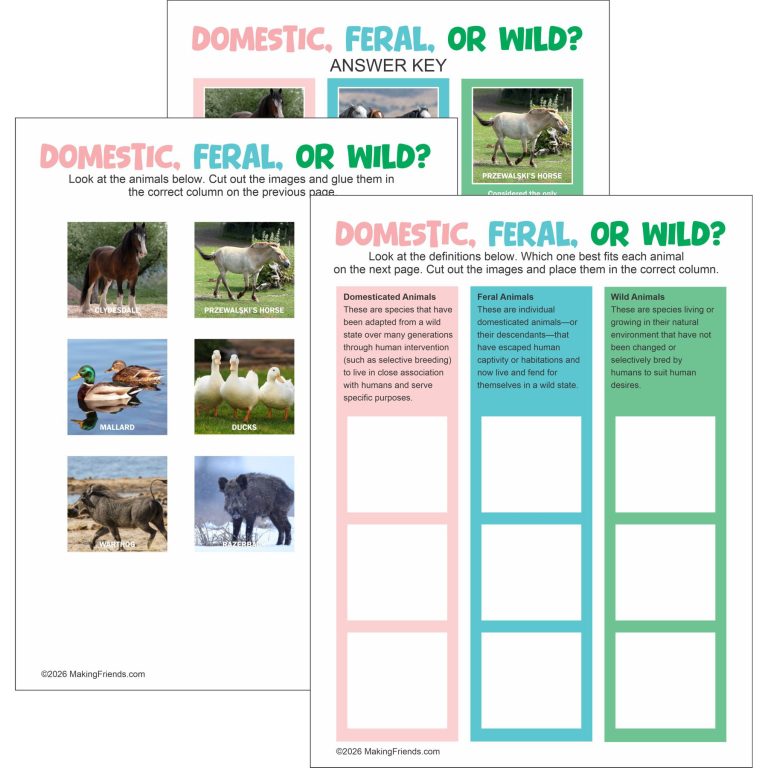
Domestic, Feral, or Wild? sorting activity. Girls will cut out cards featuring different animals—like mallard ducks, hogs, and horses—and sort them into the correct columns based on how they interact with humans.
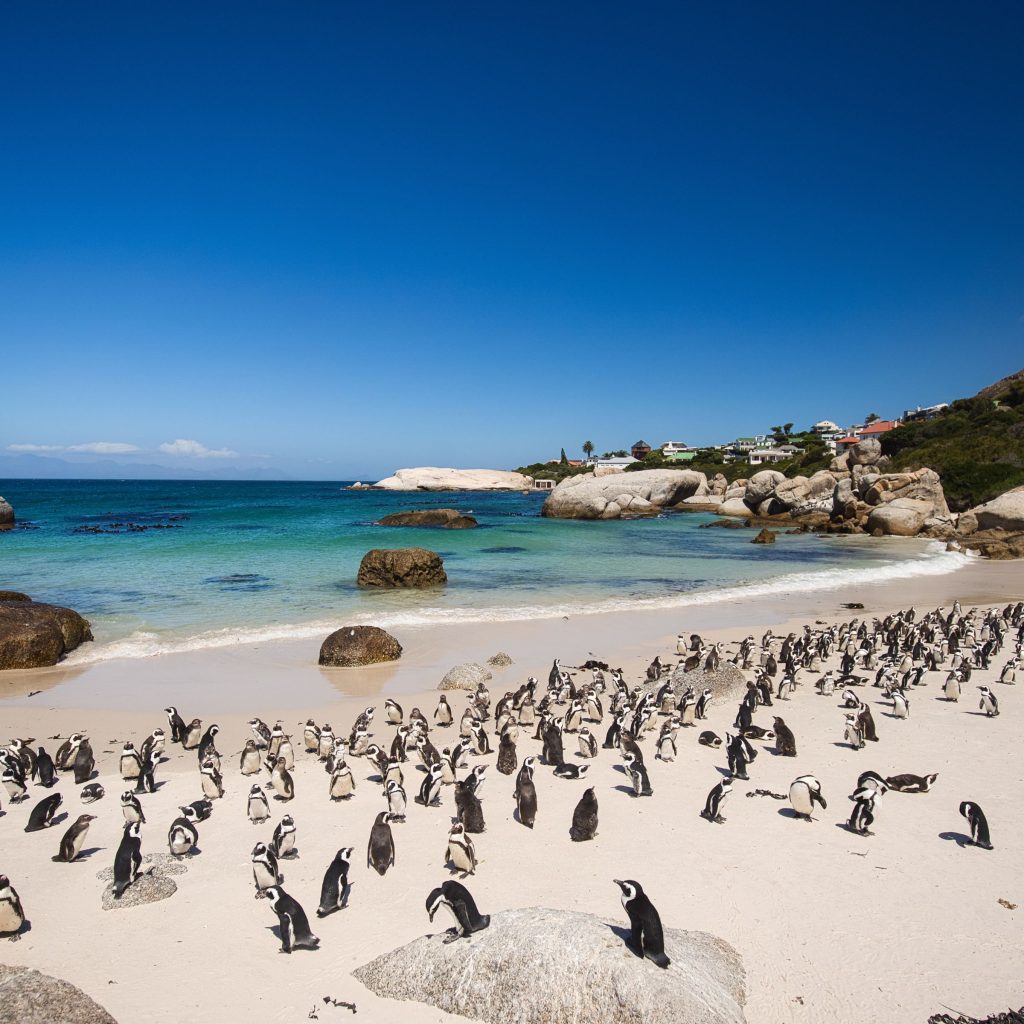
Step 2: Investigate an Animal Habitat
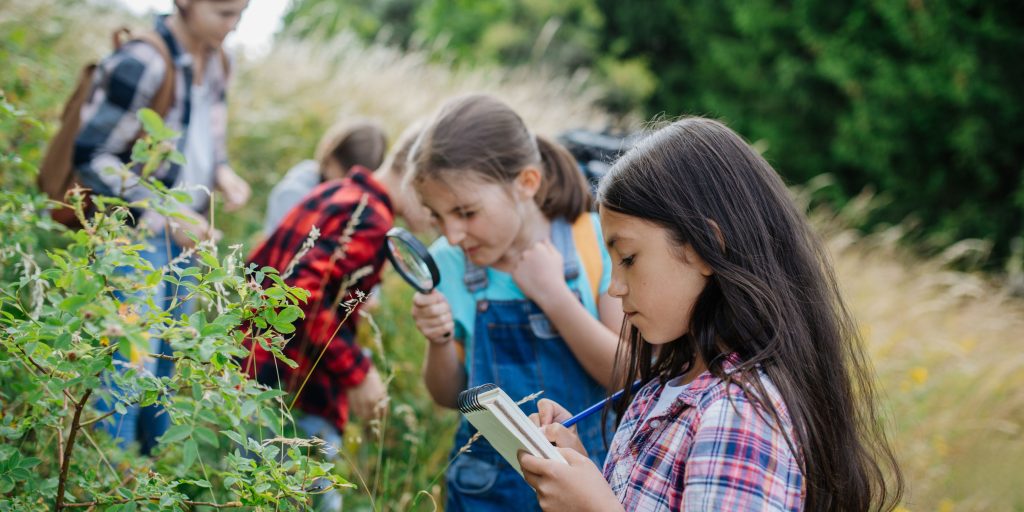
Have your Juniors use online live cams to observe wild animals hanging out in their actual habitats. Encourage them to take notes on what the surroundings look like, how the animals interact with their environment, and what elements (like water sources or tree cover) are essential for their survival.
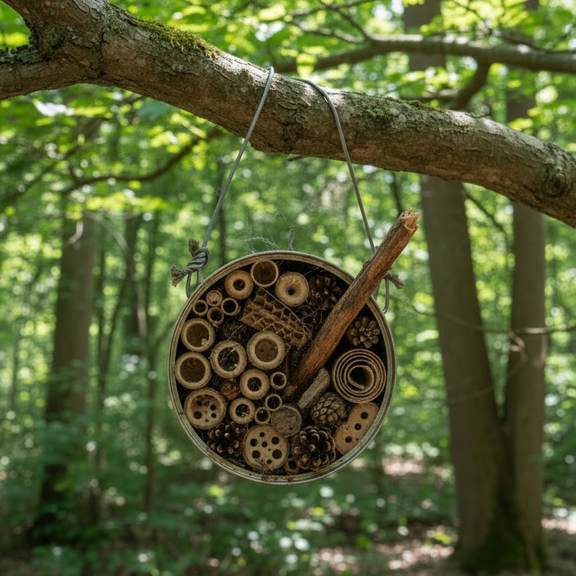
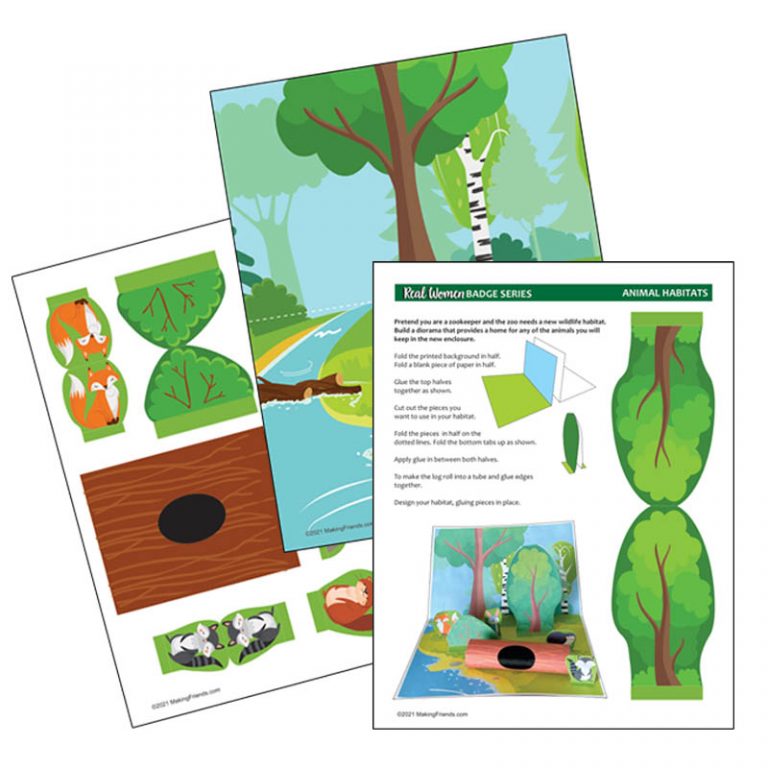
Step 3: Create an animal shelter
Have your Juniors build a cozy home for local backyard wildlife by making a DIY bug hotel or bird feeder. Using recycled tin cans, drilled wood blocks, and natural materials like hollow bamboo stalks, twigs, and pinecones, girls can create a safe nesting spot for beneficial pollinators like solitary bees and lacewings.
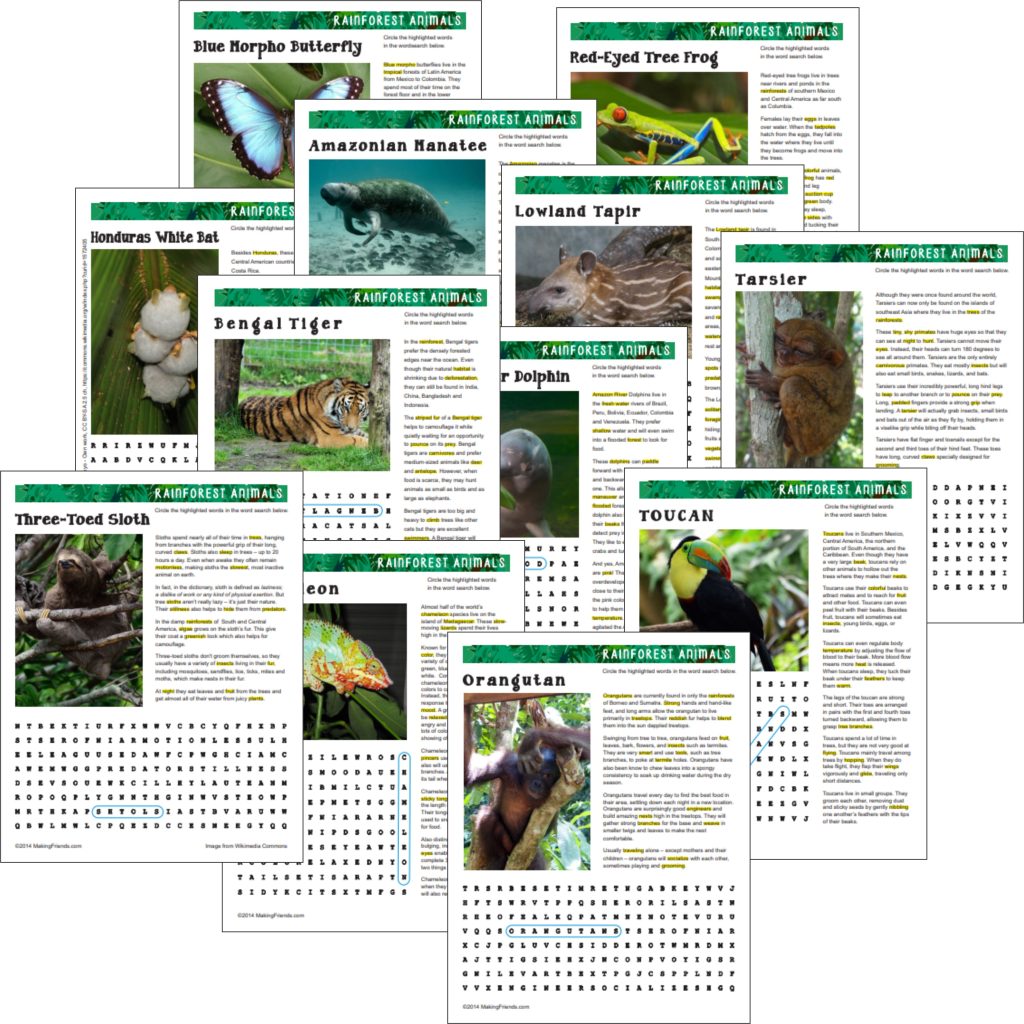
Step 4: Explore endangered habitats
Have your Juniors build a cozy home for local backyard wildlife by making a DIY bug hotel or bird feeder. Using recycled tin cans, drilled wood blocks, and natural materials like hollow bamboo stalks, twigs, and pinecones, girls can create a safe nesting spot for beneficial pollinators like solitary bees and lacewings.
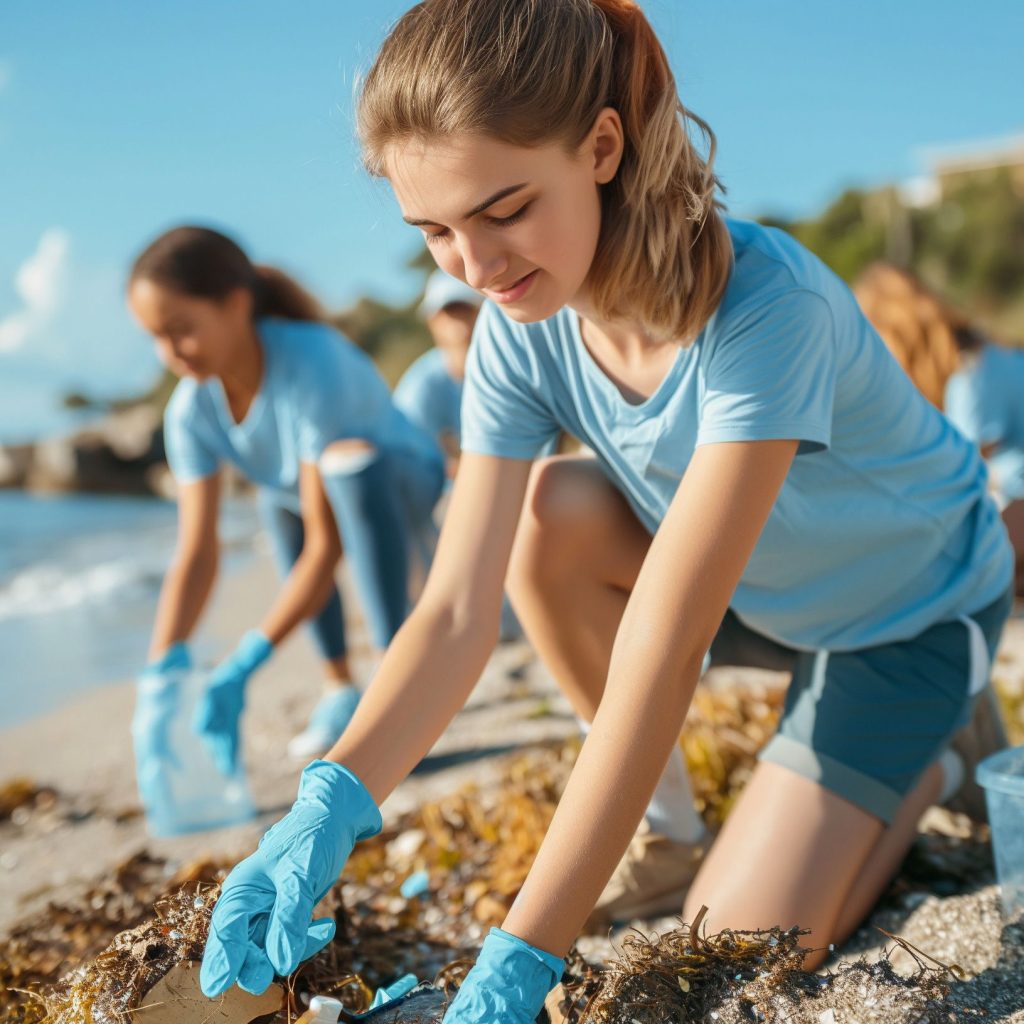
Step 5: Help Protect Animal Habitats
Have your Juniors roll up their sleeves and clean up a local wildlife area, such as a beach, park, or schoolyard. Encourage them to look for trash that could harm local animals—like plastic rings, fishing lines, or wrappers—and discuss how keeping these areas clean directly protects the creatures that live there.
Don’t forget the fun patches!
Products by Category
-
Boo at the Zoo Fun Patch
Original price was: $0.99.$0.75Current price is: $0.75. -

Animal Shelter Drive Service Patch Program®
Original price was: $0.99.$0.75Current price is: $0.75. -
Me and My Special Person Patch — Sloths
Original price was: $0.99.$0.69Current price is: $0.69. -
Pet Welfare Pin
Original price was: $4.99.$3.99Current price is: $3.99. -
Animal Advocate Patch Program®
$0.69 -
Bird Advocate Service Patch Program®
Original price was: $0.99.$0.75Current price is: $0.75. -
Boo at the Zoo Fun Patch – With Eyes
Original price was: $0.99.$0.75Current price is: $0.75. -
Aquarium Scavenger Hunt Patch
Original price was: $0.99.$0.69Current price is: $0.69.