How do I find a local charity that accepts handmade donations?
5-minute read:
Finding local volunteer opportunities is a great way to make a direct impact. Both VolunteerMatch and Volunteers of America allow you to search by zip code to find organizations nearby that need immediate help.
If you’re looking to donate your time or items, here are some high-priority examples for local and national spots.
1. Hand-Knit Beanies and NICU Blankets
For those who knit or crochet, there is a constant need for soft, premium beanies for chemotherapy patients and small blankets for preemie babies in Neonatal Intensive Care Units.
- Where to donate: Knots of Love distributes these handmade gifts to over 590 cancer treatment centers and hospitals across the USA.
2. Handmade Fleece or Quilted Blankets for Kids
Children facing serious illness, trauma, or poverty often need the physical and emotional comfort of a new, handmade blanket. These can be quilted, tied (no-sew fleece), or crocheted.
- Where to donate: Project Linus has chapters in every state that distribute blankets locally to children in need.
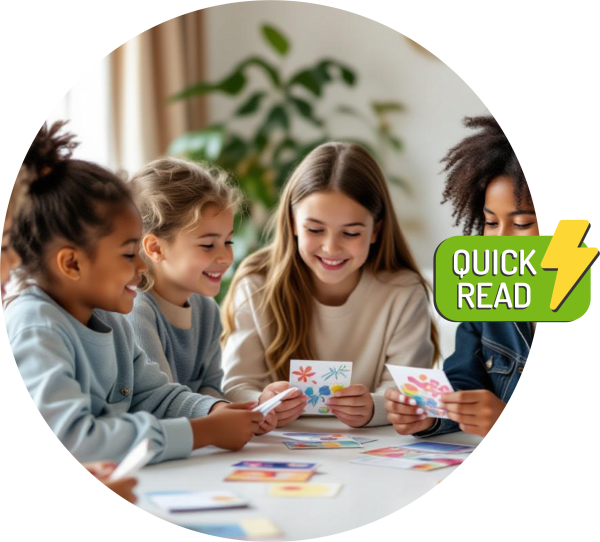
3. Uplifting Handmade Cards
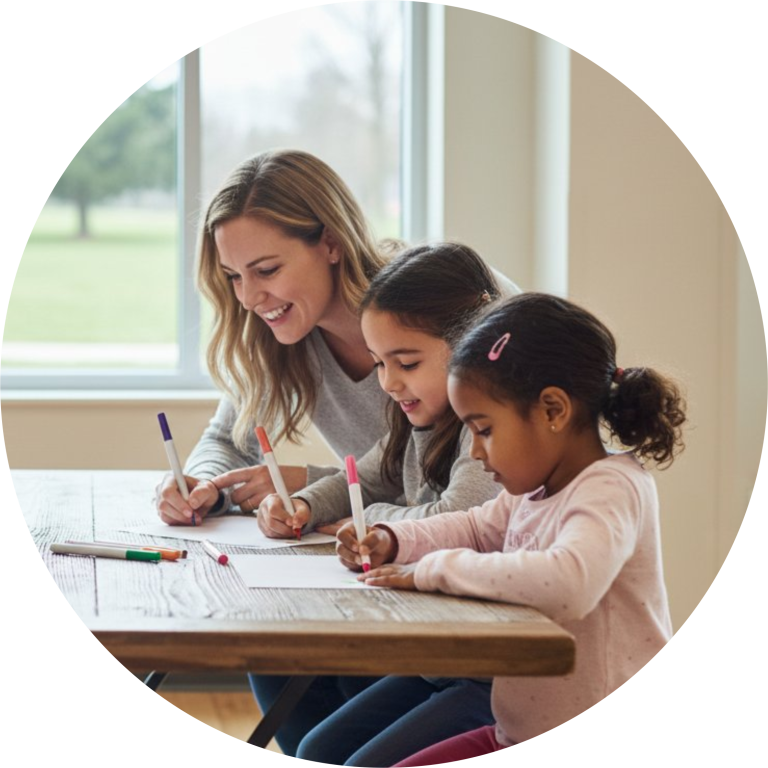
Handmade greeting cards provide a “beacon of hope” for people in retirement homes, children’s shelters, and cancer foundations.
- Where to donate: Cards for Kindness partners with organizations globally to deliver these heartfelt messages.
4. Safe Handmade Pet Toys and Bedding
Animal shelters often have “high-priority” lists for enrichment items. You can hand-stitch safe pet toys from repurposed materials or create sturdy blankets (without stuffing or loose ribbons) to keep shelter animals comfortable. If you are crafting enrichment toys, they must be “pet-proofed” to prevent choking hazards.
- Forbidden Attachments: Never use buttons, sequins, beads, ribbons, or loose strings. These are high-priority choking hazards.
- Sturdy Construction: If you are making braided tug toys from old t-shirts, ensure all knots are tight and the fabric is non-toxic.
- Cat Toy Safety: For handmade cat toys, avoid loose glitter or small plastic parts. Sturdy cardboard-based puzzles are often preferred for mental stimulation.
- Durability: Toys should be able to withstand vigorous chewing. If a toy can be easily shredded into small pieces, it is generally not suitable for a shelter environment.
- Cleanliness: All donated textiles must be freshly washed. Use unscented detergents, as animals have highly sensitive noses.
- Health Hazards: If you have pets at home, ensure handmade items are free of pet hair and dander before donating, as some shelter animals may have allergies or compromised immune systems.
- Call Ahead: Guidelines vary by location. The ASPCA recommends using their Shelter Finder to contact your local facility and ask for their current “high-priority” list before you start crafting.
Pro-Tip
Before you start crafting, always check the specific donation guidelines for each charity. For example, St. Jude Children’s Research Hospital requires items to be made in smoke-free/pet-free environments and packed in individual zippered bags to protect patients with compromised immune systems.
What is DIY to Donate and Why Does it Matter?
We’ve included some patch suggestions to give to participants. See all our fun patches.
DIY to Donate is a service-learning concept where individuals—often children or youth groups—create handmade items to benefit those in need. Instead of simply writing a check or purchasing items to give away, participants use their own time and skills to craft physical goods for charity.
Why It Matters
- Heart for Service: It teaches kids the value of hands-on service. Creating something physical helps them connect more deeply with a cause than just making a financial donation.
- Educational Value: According to the National Service Learning Conference, 92% of educators report that kids connect better with a cause when they create something tangible.
- Skill Building: These projects allow participants to practice fine motor skills and creativity while learning empathy and community responsibility.
- Emotional Connection: Handmade items, such as cards for hospitalized kids, provide a personal touch and emotional support that commercial products cannot replicate.
Top Picks for the 5-7 Age Group
At this age, you want projects that are high-impact but low-frustration.
- No-Sew Fleece Blankets: These are the gold standard. Grab fleece on sale (usually around $5 a yard), cut 2-inch fringes, and let the kids tie them. No needles, no stress.
- Friendship Bracelets: Use elastic cord and big pony beads. It’s a 30-minute win that results in a “thinking of you” gift for someone at a local shelter.
- Handmade Cards: Organizations like Cards for Hospitalized Kids send out over 10,000 cards a month. Pro-Tip: Use stickers and foam shapes. Most hospitals have a “no loose glitter” rule to keep things sterile, so leave the glitter glue at home!
How to Find a Home for Your Projects
Don’t just drop a box of crafts on a random doorstep—always check in first.
- Search Smarter: DIY to Donate has a list of charities that accept handmade donations.
- Use the “Handmade” Filter: This helps you find groups specifically looking for things like knit hats or fleece blankets.
- The Quick Call: Always give the charity a ring to ask for their current “high-priority” list. Food pantries and animal shelters usually have a top-10 list of things they need right now.
Organizing a Crowd on a Budget
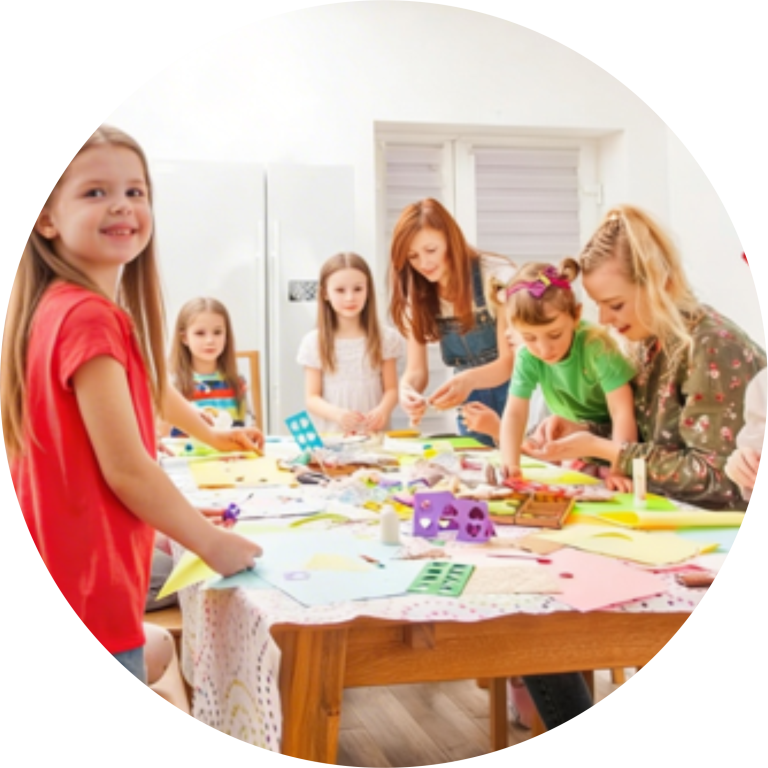
Hosting a troop or a big playgroup? Set up an assembly line. ‘This keeps the chaos contained and ensures everyone has a job to do. You can host 20 kids for under $2 each if you ask parents to donate old t-shirts or “scrubs” as base materials. Divide the kids into teams:
- The Cutters (for the older kids/adults)
- The Sorters
- The Builders
Want Credit for Your Hard Work?
Check out the Youth Squad program! It’s a tiered system that recognizes kids for their service starting at just 5 hours. You can even earn official patches like the Service from the Heart Fun Patch .
Ready to get started? Grab some fleece, skip the glitter, and have fun!
-
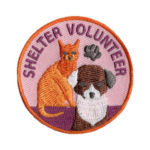
Animal Shelter Volunteer Service Patch Program®
Original price was: $0.99.$0.75Current price is: $0.75. -
Pie Making Fun Patch
Original price was: $0.99.$0.75Current price is: $0.75. -
Bird House Patch
Original price was: $0.99.$0.75Current price is: $0.75. -
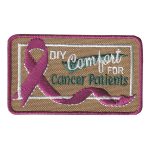
DIY Comfort for Cancer Patients Patch
Original price was: $0.99.$0.69Current price is: $0.69. -

Baby Bundles Patch
Original price was: $0.99.$0.69Current price is: $0.69. -
Pillowcase Project Patch Program®
Original price was: $0.99.$0.75Current price is: $0.75.