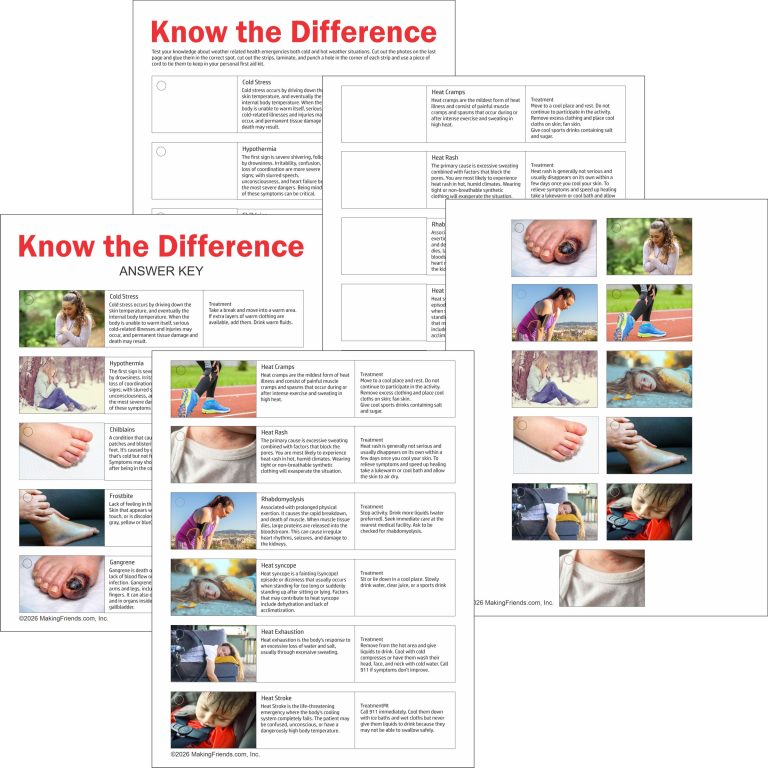
Earn the Senior First Aid Badge
When you are exploring the great outdoors, camping in remote wilderness, or just hanging out with friends, emergencies can happen in the blink of an eye. Would your Senior Girl Scouts know what to do if someone fell and couldn’t move, or if a minor injury occurred miles away from the nearest hospital?
Earning the Senior First Aid Badge isn’t just about checking off requirements—it is about building the quiet confidence, leadership, and hands-on skills needed to step up and save a life when every second counts.
This guide breaks down all five steps of the badge, complete with handy troop activities, step-by-step instructions, and practical printable resources to help your girls master these vital skills.
Senior First Aid PDF Badge Requirements
- Know how to help someone with a head, neck, or spinal injury
- Learn how to use everyday objects to make splints
- Learn the signs of drug overdose and alcohol poisoning
- Learn how to identify and care for life-threatening bleeding
- Share your knowledge with others

Step 1: Know how to help someone with a head, neck, or spinal injury
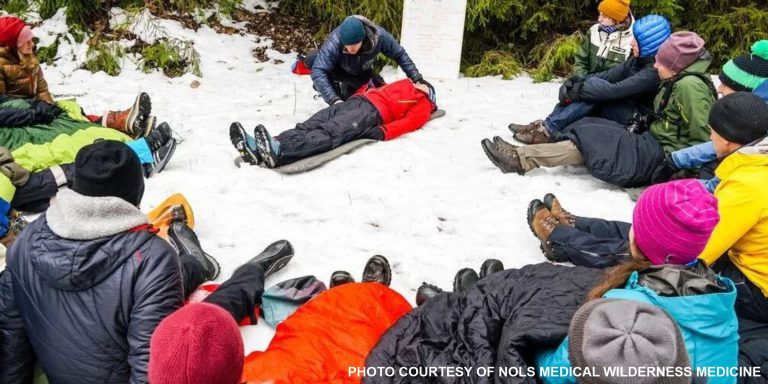
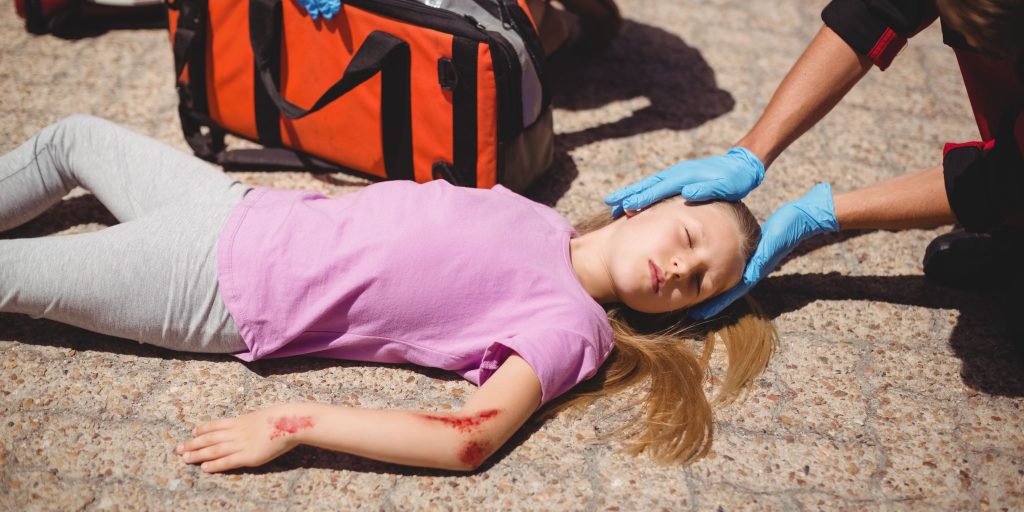
When you suspect a head, neck, or spinal injury, the absolute most important rule is to keep the person completely still. Moving them can cause permanent damage.
Call 911 right away. Tell the person not to move their head, and place your hands on both sides of their head to help keep them still.
Step 2: Learn how to use everyday objects to make splints
Improvising medical equipment should never be plan A, but occasionally we will find ourselves with no other choice, and it is important to understand how to improvise correctly so our patients can have the best possible outcome. In this video, I will show you how to make a makeshift tourniquet, chest seal, and splint.

Step 3: Learn the signs of drug overdose and alcohol poisoning
In this step, Seniors will learn to recognize the life-threatening signs of alcohol poisoning and drug overdose. Understanding symptoms like severe confusion, slowed breathing, and unresponsiveness prepares you to step in confidently and call emergency services when someone is in serious danger.
Step 4: Learn how to identify and care for life-threatening bleeding
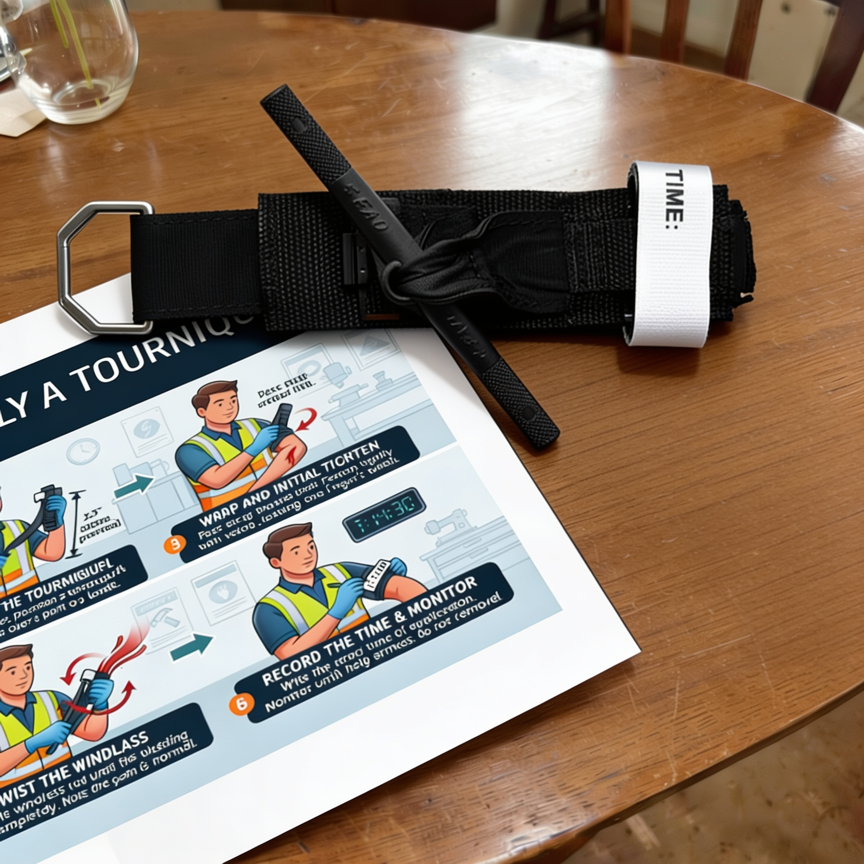
In a severe emergency, knowing how to quickly stop life-threatening bleeding can save a person’s life before professional help arrives. In this step, Seniors will learn how to identify critical bleeding and the correct protocol for applying pressure or using a tourniquet.
Step 5: Share your knowledge with others
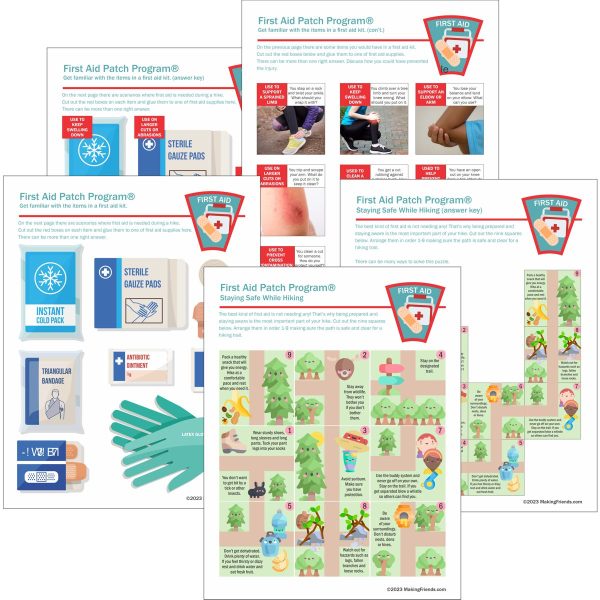
The best way to truly master first aid is to teach it to someone else! By sharing these vital life-saving skills, you aren’t just completing your badge requirements—you are helping to build a safer, more prepared community.
Congratulations on working your way through the Senior First Aid requirements! By knowing how to handle spinal injuries, improvise splints, recognize overdose signs, and care for severe bleeding, you are fully prepared to step up in an emergency.
Ready to get started with your troop? Check out our helpful printable worksheets and fun patches below to bring this badge to life!
-
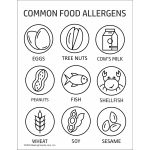
Common Food Allergen Poster
$1.00 -
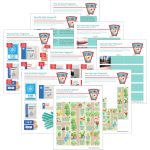
First Aid Worksheets Downloads
$4.00 -
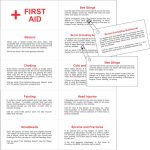
Printable First Aid Cards
$1.00 -
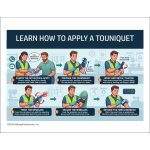
Learn How to Apply a Tourniquet PDF Reference Sheet
$1.00 -
First Aid Patch — Scissors
Original price was: $0.99.$0.75Current price is: $0.75. -

First Aid Prepared Patch Program®
$0.75 -
Ambulance Visit Patch
Original price was: $0.99.$0.75Current price is: $0.75. -
First Aid Patch Program®
Original price was: $0.99.$0.75Current price is: $0.75.