Ideas for Learning the Promise Sign
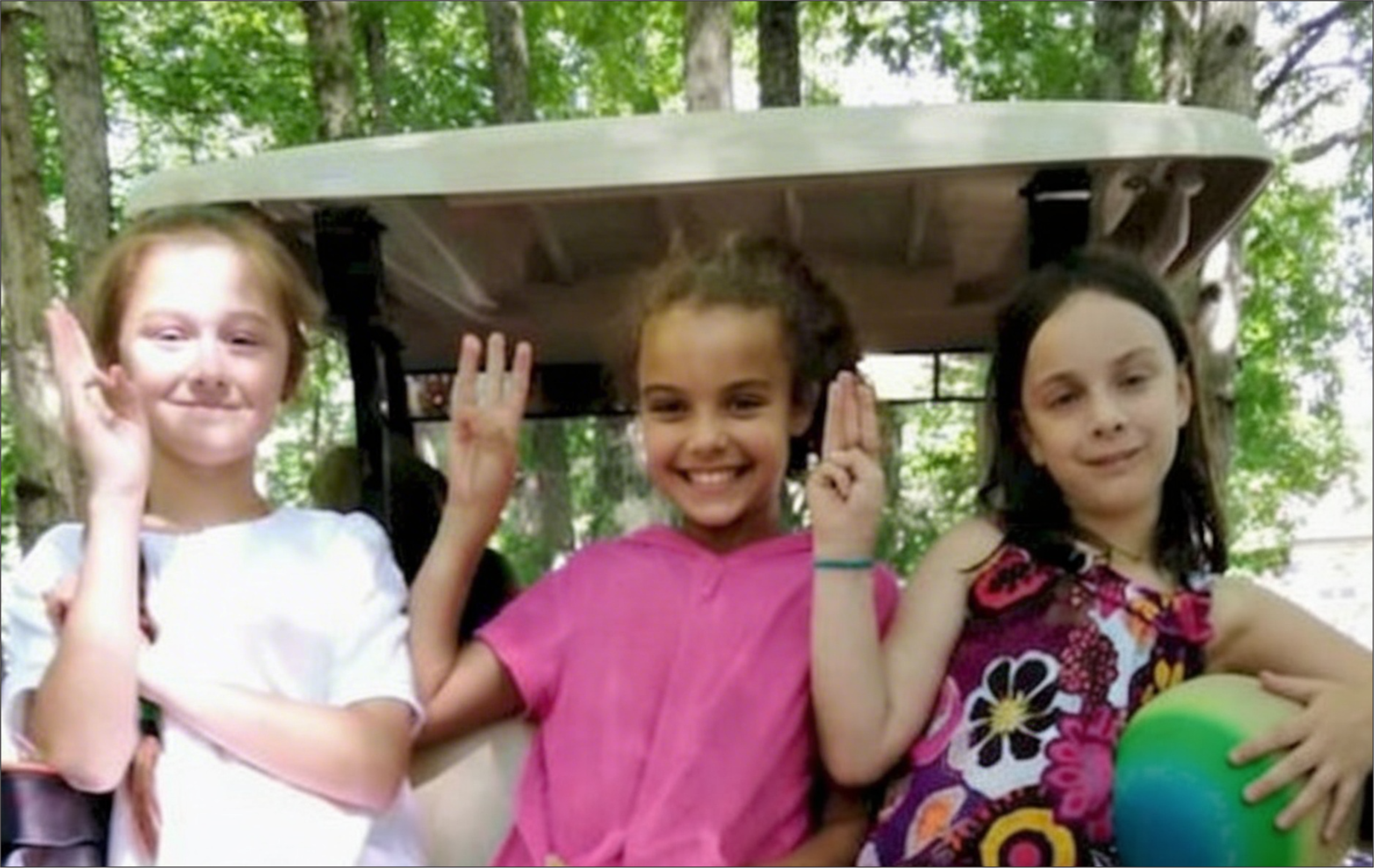
The Promise Sign is made by holding up three fingers of the right hand—thumb holding down the pinky. Each of the three raised fingers represents one part of the Promise, helping girls remember the meaning behind the words. When girls make the sign, they’re showing respect, unity, and their commitment to the sisterhood. It’s a simple gesture, but it carries a lot of pride and tradition, especially for new Daisies learning it for the first time.
Repetition is Key
Teaching the Girl Scout Promise to five-year-olds can be both fun and effective by using techniques that align with how they learn and memorize. Start by introducing the Promise through repetition—reciting it together regularly helps them remember the words.
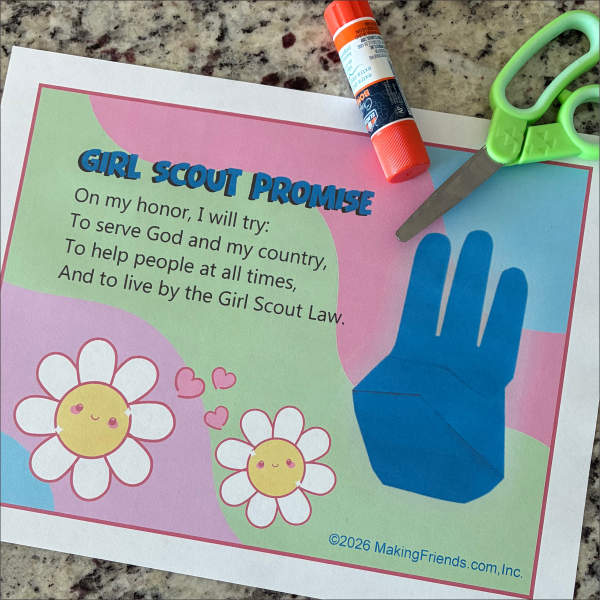
Printable Promise Craft
Print the Promise worksheet. Help the girls trace around their hand or use this printable hand. Ask the girls to cut them out. Glue the hand onto the worksheet, then bend and glue down the pinky and thumb.
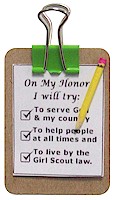
The Promise has three parts:
- To serve God and my country,
- To help people at all times,
- And to live by the Girl Scout Law.
The First Part: To Serve God and My Country
The Girl Scout community is inclusive of all religions and beliefs, so the use of “God” in the promise may not fit the beliefs of your troop. Other options are:
- Higher Power – Acknowledges a spiritual presence without specific religious connotations.
- Nature – Emphasizes respect for the natural world and its interconnectedness.
- Universal Spirit – Represents a broader, inclusive concept of spirituality.
- Inner Strength – Focuses on personal resilience and moral integrity.
- Community – Highlights the importance of collective values and support.
- Love – Centers on compassion and kindness as guiding principles.
Choose something that best represents your group. Be willing to discuss the options with parents and allow girls to say their own version or rotate the options so everyone feels included.
The Second Part: To Help People at All Times
Five-year-olds often feel a sense of pride and joy when they can help others. At this age, children are developing a greater awareness of social interactions and the needs of those around them.
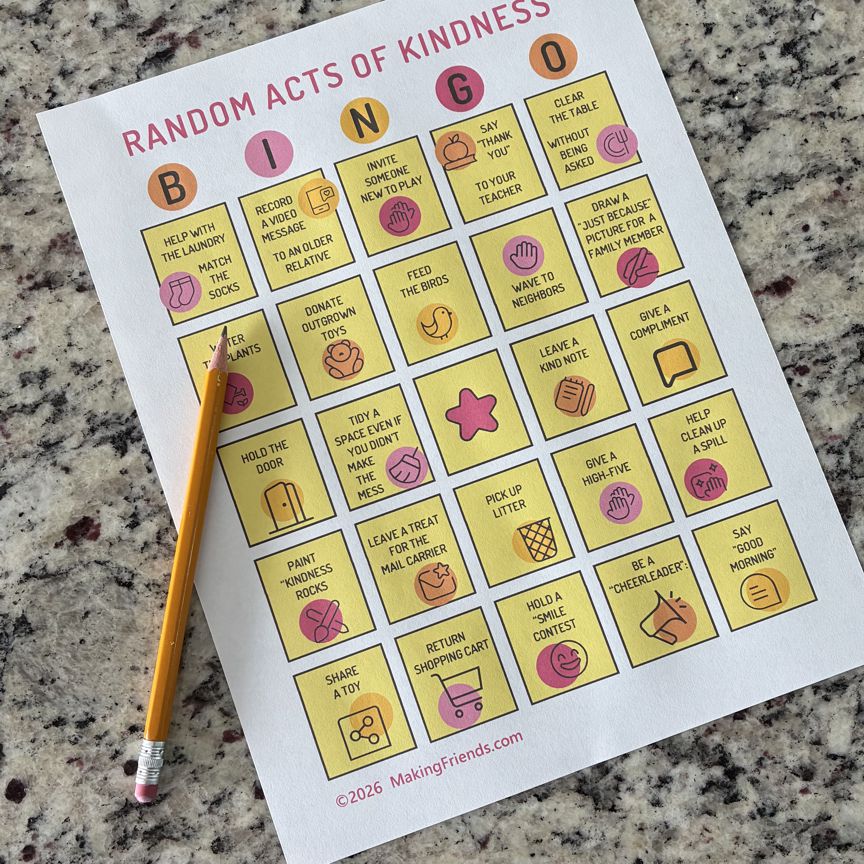
Random Acts of Kindness
Our Random Acts of Kindness Fun Patch comes with a free download of kindness suggestions.
Help your troop brainstorm ideas of things that will be kind. Remind scouts that Random Acts of Kindness don’t need to be elaborate service projects or planned activities. Something as simple as sharing a snack with someone in school who seems lonely is a kind thing to do. Your troop can set their own criteria to earn this cute patch.
Here are some common feelings and reactions they may have about being helpful:
- Pride: Helping others can boost a child’s self-esteem. They may feel proud when they are able to contribute or assist in a task.
- Joy: Many children find happiness in making others smile or feel better. Acts of kindness, like helping a friend or family member, can be fulfilling.
- Excitement: Young children often enjoy the sense of responsibility that comes with being helpful. They may be eager to take on tasks, especially if they see adults or older siblings doing similar things.
- Desire for Approval: Five-year-olds often seek approval from parents and caregivers. Being helpful can be a way to gain praise and validation.
The Third Part: And to live by the Girl Scout Law
Here’s where it gets tricky. Generally, our Scouts learn the promise first, but it’s basically just memorization. They have not been introduced to the Girl Scout Law so they do not have a good understanding of what it means to live by the Girl Scout Law. Now is a good time to introduce them to the values of the Law.
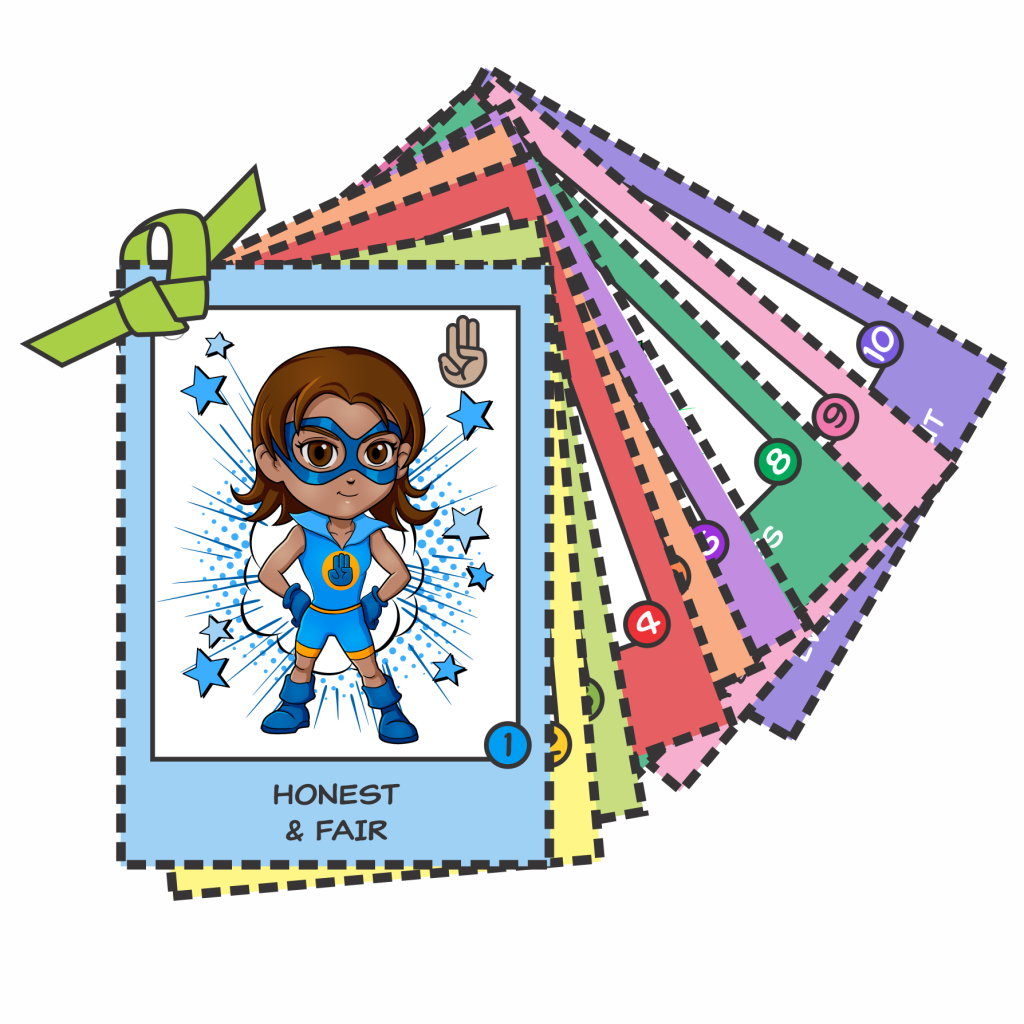
GS Law Superheroes Trading Cards
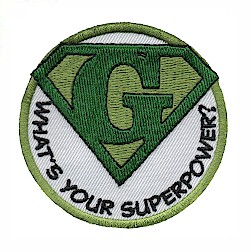
Many leaders use the first year to teach these ten values of the Law and Daisies can memorize them at their own pace. We have developed a group of superheroes, each one represents one of the Girl Scout laws.
More Ways to Learn the Promise
Incorporate a catchy tune or rhythm to make it easier for them to recall, similar to how they learn the alphabet song. Visual aids, like colorful posters with the Promise written on them, can also help. Engaging them in activities that reflect the Promise’s values, such as small group projects or role-playing scenarios, reinforces the concepts. By using a blend of repetition, music, and interactive play, you can make learning the Girl Scout Promise a memorable and enjoyable experience for them.